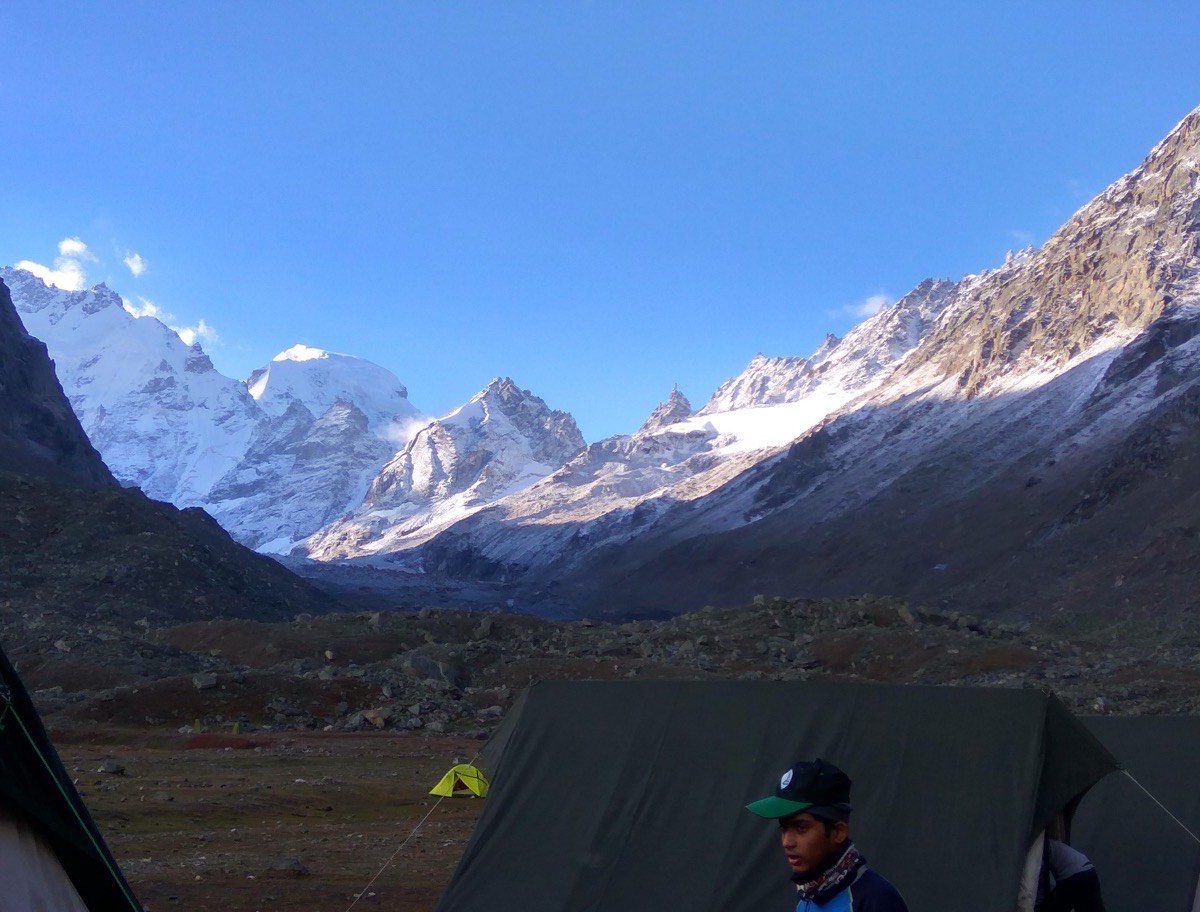
A focused checklist for wet valleys, cold camps and a high pass, without carrying equipment you do not need.
40–50 L
Backpack
3 layers
Upper-body system
1 pair
Broken-in trek shoes
Rainproof
Jacket and pack cover
Quick answer
Pack for rain on the Kullu side and near-freezing nights in Lahaul: a 40–50 L rucksack with rain cover, broken-in waterproof-ish trekking shoes, three upper-body layers, a waterproof jacket, thermals, gloves, cap, sunglasses, sunscreen, headlamp, two litres of water capacity, personal medicines and original photo ID. River crossings between Shea Goru and Chatru are cold enough to numb bare feet quickly, so neoprene socks or dedicated crossing shoes are worth the extra weight.
01
Clothing
Choose quick-drying layers that can be added or removed as conditions change.
Two or three trekking T-shirts
Warm fleece or light insulated layer
Insulated jacket for camp
Trekking trousers and thermal base layer
Warm cap, sun cap and gloves
02
Footwear and backpack
Use supportive, broken-in trekking shoes with reliable grip. A 40–50 litre backpack usually suits personal gear; confirm whether your package includes a shared load or offloading option.
Trekking shoes and camp sandals
Trekking socks plus spare pairs
Backpack with rain cover
Reusable water bottles
03
Rain and sun protection
Weather protection matters even on a clear morning. The Hampta Pass weather guide explains why conditions change so quickly between the two valleys.
Waterproof jacket and trousers or poncho
Sunglasses with strong UV protection
Sunscreen and lip balm
Dry bags or liners for clothes
04
Personal items and documents
Carry identity documents requested by the operator, personal medication, a small hygiene kit and a headlamp. Your trek team normally supplies shared camping and safety equipment; confirm before departure. The permit and documents guide lists what to keep ready.
05
Footwear is the decision that matters most
Ankle-supporting trekking shoes with deep lugs handle wet rock, scree and snow far better than running shoes. Wear them for at least 40–50 km before the trek. Add lightweight sandals or old shoes for river crossings and camp.
06
What to rent and what to buy
Jackets, ponchos, trekking poles and sleeping bags are widely and cheaply rented in Manali, and many operators include some of these. Trekking shoes are the one item worth buying rather than renting: rented shoes rarely fit well enough for five days of uneven ground, and trekkers who rented shoes on Hampta Pass have reported blisters and slips as a direct result. If you buy new shoes, wear them on several long walks beforehand so they are broken in before the trek, not during it.
07
What is usually provided
Guided departures commonly supply tents, sleeping bags, sleeping mats, kitchen and dining shelter, a first-aid kit, oxygen cylinder and oximeter, and micro-spikes or gaiters when snow requires them. Always confirm the exact list in writing rather than assuming. The Hampta Pass trek package page lists what a departure covers.
08
Small items trekkers forget
These weigh almost nothing and change your day.
Headlamp with spare batteries for the pre-dawn start
Quick-dry towel and toilet paper with a waste bag
Power bank, since there is no charging on the trail
Dry bags or bin liners to keep clothes dry
Personal medication, blister plasters, ORS sachets
Snacks: nuts, dates, chocolate, electrolyte mix
09
Keep the weight honest
Aim for 8–10 kg in your rucksack. Independent trekkers who carried their own 18 to 20 kg packs without offloading have described the extra weight as the single biggest regret of the trek, particularly on the loose descent from the pass. Offloading to a mule is often available at extra cost, but you still carry a daypack with water, rain layer, snacks and documents, since the load animals travel separately. Everything here is chosen for the Hampta Pass Trek specifically, so leave behind anything that does not earn its weight.
Quantity checklist
Quantity checklist
Item
How many
Notes
Trekking T-shirt / base layer
3
Quick-dry, not cotton
Fleece or light insulation
1–2
One should stay dry for camp
Padded / down jacket
1
Essential for evenings
Trekking trousers
2
Avoid jeans entirely
Thermal set
1
Sleepwear only, keep dry
Trekking socks
4
Plus one thick pair for night
Waterproof jacket / poncho
1
Plus rucksack rain cover
Water bottles
2 × 1 L
Or bottle plus hydration bladder
Common questions
Asked before booking.
Do I need trekking poles?
They are not compulsory but genuinely help on the scree descent to Shea Goru and on stream banks. One pole is enough for most trekkers.
Are jeans acceptable?
No. Denim absorbs water, stays wet for hours and chafes badly when cold.
Can I rent equipment in Manali?
Jackets, poles and rucksacks are widely rented in Manali, and many operators rent gear too. Reserve ahead in peak season. Buy your own trekking shoes rather than renting them.
How much cash should I carry?
Carry some cash for Manali, tips and extras. There is no network coverage or ATM access on the trail after Jobra.
What do trekkers most often overpack or forget?
Overpacked: a full change of clothes for every day, heavy toiletries and too much just-in-case gear, which adds up fast in an unoffloaded pack. Forgotten or underestimated: a proper headlamp with spare batteries, a dry bag for the camera and phone during river crossings, and enough cash, since there is no ATM past Manali.
Should I rent or buy my trekking shoes?
Buy and break them in beforehand. Rented shoes rarely fit well enough for five days on uneven ground, and poor fit is a common, avoidable cause of blisters and slips on this trek.
Is there any toilet facility on the trail?
Guided camps typically set up a basic toilet tent at each campsite. Independent trekkers without an organised camp have reported no reliable facilities between Jobra and Chatru, so plan and pack accordingly.
Trek routes, weather, road access, campsites and Chandratal accessibility can change due to weather, trail conditions, local restrictions and operational decisions. Confirm current conditions and itinerary details before departure.