There is no single perfect month
Each part of the season offers a different version of the trail. Snow and road opening dates vary yearly, while rainfall and cold spells can shift at short notice.
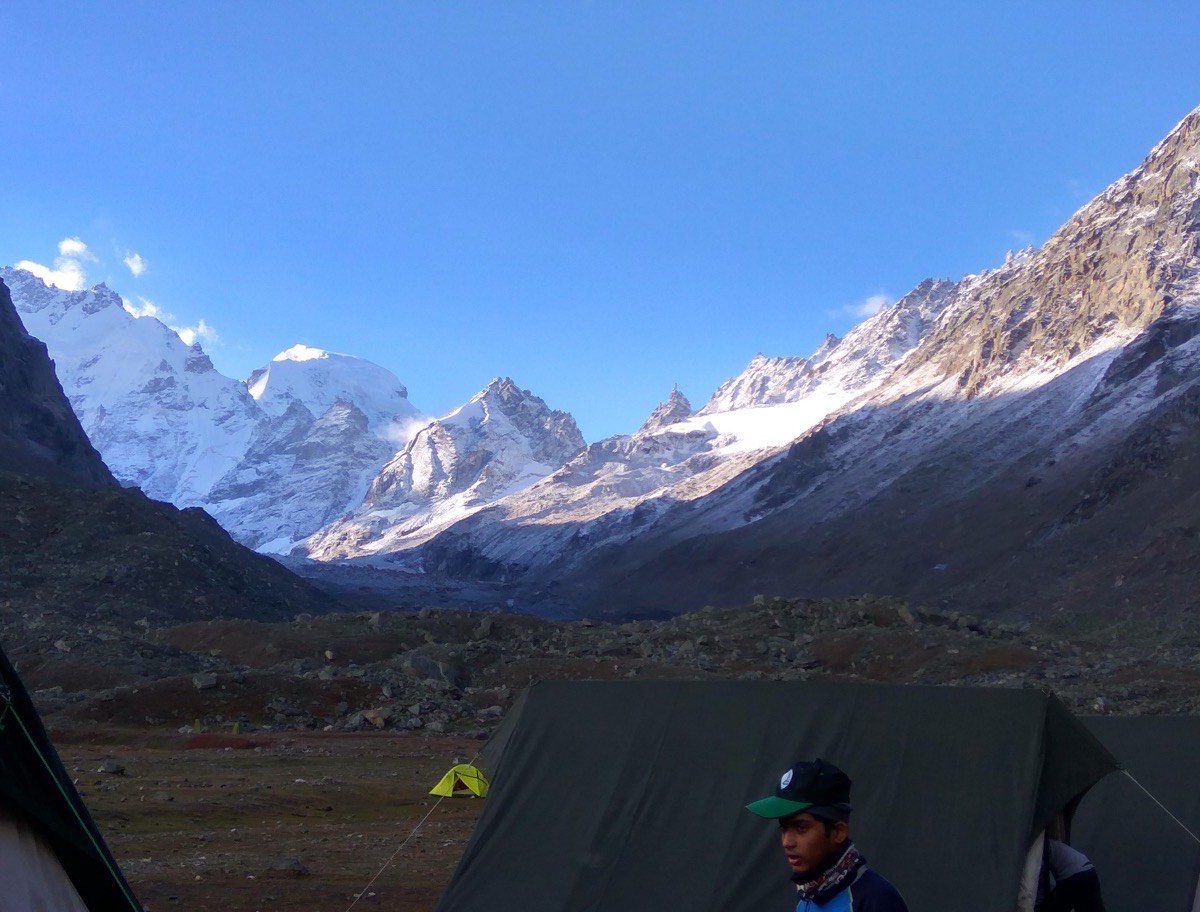
Choose your season
Hampta Pass trek best time runs from mid-June to September. The right month depends on whether you value snow, greenery, quieter trails or crisp autumn conditions.
Mid-Jun
Season begins
Jul–Aug
Greenest valleys
September
Cooler, clearer
Variable
Chandratal access
Quick answer
The best time for the Hampta Pass Trek is mid-June to September, with the most reliable window from late June onward. May-end and early June departures often still meet cold, snow-bound camps and limited Chandratal access. Choose late June to early July for snow near the pass, late July and August for the greenest valleys with a real chance of monsoon disruption, and the first half of September for the clearest, calmest conditions.
Each part of the season offers a different version of the trail. Snow and road opening dates vary yearly, while rainfall and cold spells can shift at short notice.
Early-season departures may meet snow near the pass and colder camps. Trail opening depends on snow clearance and safe access, so flexibility matters. Hampta Pass in June covers this month in full detail.
The Kullu side is especially lush, with strong waterfalls and active streams. Monsoon rain can affect roads and approaches even though Lahaul is drier. The month-by-month weather guide has the temperatures to expect, and Hampta Pass in July and August covers the monsoon-specific risks.
September often brings cooler nights and clearer periods. Snowfall is still possible at altitude, and daylight becomes shorter later in the month. Outside the season entirely, Hampta Pass in winter and the off-season explains why nothing runs from late October to May.
If a snow crossing is the reason you are going, book the earliest departures the operator confirms, typically from around mid-June. In heavy-snow years teams sometimes rope sections of the approach, and the descent into Shea Goru can hold snow well into early July.
Chandratal is reached by road, and that road opens later than the trail. July to mid-September is normally the most reliable window, but closures happen at any point in the season. Never book a departure purely for the lake without confirming the operator's alternative plan; the Hampta Pass and Chandratal trek guide explains how access works.
Late August and early September usually offer the kindest mix: the trail is established, rain is easing, streams are lower than peak monsoon, and daytime walking is comfortable. Nights are colder, so pack a warmer layer than a July trekker would. Check how difficult the trek is before choosing a date.
Recent trekkers describe May-end departures as too early, with camps still cold and Chandratal typically inaccessible before mid-June. July and August give the greenest valleys, but monsoon rain has, in some recent seasons, been heavy enough that established operators postponed or cancelled scheduled batches rather than risk the crossing. The first half of September is widely described as the sweet spot: settled weather, thinner crowds and a trail that has dried out from the monsoon. By late September and into October, trekkers increasingly report a real chance of early snow closing the pass, so operators run fewer departures and treat dates as provisional.
The pass is generally not trekked from late October to May. Snow closes the route, camps are unsupported, and the Lahaul side becomes inaccessible. Offers to run the Hampta Pass Trek in winter should be treated with caution and verified carefully.
| Window | Best for | Trade-off | Crowd level |
|---|---|---|---|
| Mid-June – early July | Snow at the pass, dramatic photos | Cold camps, uncertain opening date | Busy |
| Mid-July – mid-August | Green meadows, waterfalls, flowers | Monsoon rain and road delays | Very busy |
| Late August | Balance of green and clearer sky | Residual rain | Moderate |
| September | Clear views, cooler air, calm trails | Cold nights, early season close | Quieter |
| Early October | Clearest skies, quietest trails | Cold nights, real snow risk, fewer departures run | Very quiet |
Common questions
For most people, the first half of September: clear air, a settled trail and quieter camps. Choose mid-June instead if snow matters more than comfort.
No. The route is under deep snow and the Lahaul side is closed. Winter searches usually refer to snow treks elsewhere in Himachal.
Peak June and July weekends fill first. Four to eight weeks ahead is typical; last-minute places do appear on weekday departures. The trek package page explains how to check dates.
No. Opening depends on snow clearance and local access decisions, so early-season dates can move.
Before the trek begins, the main risk is monsoon-related: landslides and blocked roads between Manali and the trail head, which your operator will reroute or delay around. On the trail itself, risk is generally lower, though rain can make descents slippery. Some recent seasons have seen heavy enough monsoon disruption that operators cancelled entire batches, so confirm your operator's weather contingency policy before paying for a July or August date.
Often yes. Trekkers who have gone at May-end report cold, still-closing camps and no realistic Chandratal access, since that road usually does not clear until around mid-June. Late June onward is a safer bet if you want both the pass and a working Chandratal add-on.
Trek routes, weather, road access, campsites and Chandratal accessibility can change due to weather, trail conditions, local restrictions and operational decisions. Confirm current conditions and itinerary details before departure.
Plan with confidence
Get current dates, the latest trail update and a clear inclusion list before you book.